

你的購物車還沒有任何產品!!

Welcome to Bobo Health & Wellness!

分享
''

增強免疫力的日常習慣

  • May 10, 2026
  • Lifestyle

在當今快節奏的現代生活中,睡眠質量已經成爲健康的重要指標。長期睡眠不足或質量差不僅會降低白天的注意力和工作效率,還會增加健康風險,如代謝紊亂和情緒問題。
In recent years, nutritional research has shown that diet, as a non‑pharmacological way to regulate sleep, offers safe and sustainable benefits. This article provides a practical guide to improving sleep through diet, based on scientific principles, food selection and matching principles.

I. The Internal Link Between Sleep and Diet

During sleep, the body continues vital activities: the brain repairs nerves, the immune system removes metabolic waste, and the endocrine system regulates key hormones including growth hormone and melatonin.
These processes rely on specific nutrients. Blood sugar swings can cause insomnia, while insufficient neurotransmitters lead to light sleep. Diet indirectly shapes sleep structure by influencing neurotransmitters, hormone balance and digestion, forming a positive “eat‑sleep” cycle.

II. Key Sleep‑Supporting Nutrients & Food Sources

1. Tryptophan: Precursor of Serotonin and Melatonin

Tryptophan is an essential amino acid that converts to serotonin (calming mood) and melatonin (regulating the circadian rhythm).
Foods rich in tryptophan:
  • Banana: contains about 1.2mg of tryptophan per 100g, plus magnesium and potassium to relax muscles.

  • Oat: beta‑glucan helps stabilize blood sugar and prevent midnight awakening.

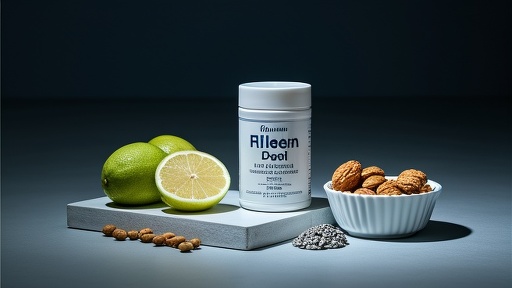
  • Nuts: almonds, walnuts provide tryptophan and healthy fats (about 20g per day).

2. Magnesium: Natural Nerve Relaxant

Magnesium calms nerves and relaxes smooth muscles. Deficiency often leads to difficulty falling asleep and frequent waking.
Recommended foods:
  • Dark green vegetables: spinach, kale (50–80mg magnesium per 100g).

  • Whole grains: brown rice, quinoa (2–3 times more magnesium than refined grains).

  • Dairy: low‑fat milk, Greek yogurt (calcium and magnesium work together to stabilize nerves).

3. Melatonin‑Related Foods: Natural Regulators of the Body Clock

Certain foods support natural melatonin production.
  • Tart cherry & cherry juice: naturally high in melatonin; 150ml before bed helps shorten sleep onset.

  • Pumpkin seeds: rich in zinc, which supports melatonin‑synthesizing enzymes.

III. Scientific Diet Planning for Better Sleep

1. Three Golden Rules for Dinner

  • Prioritize low‑GI foods: oats, corn to avoid sharp blood sugar swings.

  • Eat 70% full: overeating burdens the stomach and disturbs sleep. Finish dinner at least 3 hours before bed.

  • Moderate temperature: avoid extremely hot or cold food to reduce digestive irritation.

2. Light Snack Plan 1–2 Hours Before Bed

  • Warm milk + banana: tryptophan and magnesium work synergistically.

  • Chia pudding: provides satiety and Omega‑3 to stabilize neurotransmitters.

  • Avoid stimulants: no caffeine 4–6 hours before bed; no alcohol 2–3 hours before bed.

3. Long‑Term Diet‑Sleep Routine Integration

Pair dietary changes with consistent habits: fixed dinner time, no screens 1 hour before bed, and moderate daytime exercise.

IV. Individual Differences & Precautions

Adjust according to personal conditions:
  • Diabetics: choose low‑GI sleep‑friendly foods to avoid nighttime hypoglycemia.

  • Allergic people: replace nuts or dairy with pumpkin seeds, millet, etc.

  • Women during menstruation: add iron‑rich foods such as spinach and liver.

Conclusion

Improving sleep through diet is a gradual process that requires consistent nutrition and lifestyle adjustments.
From tryptophan and magnesium balance to smart dinner choices and bedtime snacks, every step should fit individual needs. Sleep improvement is systematic: diet works best with regular routines, exercise and emotional management to achieve deep, restful sleep.
Start with tonight’s dinner and use scientific eating to recharge your body for better sleep.