免疫支持的最佳維生素
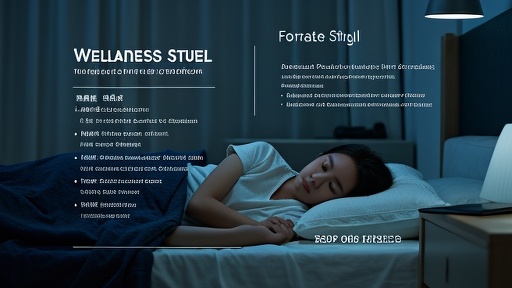
I. Establish a Regular Sleep Schedule
II. Optimize the Three Key Elements of Sleep Environment
Light control: Dim lights 1 hour before bed and avoid screens (blue light suppresses melatonin). Use warm lighting or an eye mask, with bedroom brightness below 300 lumens.
Temperature control: The ideal sleeping temperature is 18–22°C. Use air conditioning in summer and thicker bedding in winter to avoid overheating.
Noise control: Use white noise (rain, ocean waves) or soft silicone earplugs to block sudden disturbances.
III. Develop Healthy Pre‑Sleep Habits
Replace screen time: read physical books, listen to calm music (60–80 BPM), or practice 10‑minute breathing exercises.
Physical relaxation: try progressive muscle relaxation or soak feet in 40°C warm water for 15 minutes.
Limit fluids: reduce water intake 2 hours before bed to avoid nighttime bathroom trips.
IV. Adjust Diet and Exercise Strategies
Dietary rules: Avoid caffeine and nicotine 3 hours before bed. Alcohol may speed falling asleep but damages REM sleep. Eat magnesium‑rich foods (vegetables, nuts) and tryptophan sources (bananas, milk) to relax nerves.
Exercise timing: Do 30 minutes of moderate daytime exercise (walking, swimming, yoga). Avoid intense workouts within 3 hours of bed; replace them with stretching or meditation.
V. Manage Stress and Emotional State
Write a “worry list” and tomorrow’s to‑do list to unload your brain.
Practice 10‑minute mindfulness meditation to reduce anxiety.
Use positive suggestions to reduce fear of insomnia.
VI. Emergency Methods for Temporary Insomnia
4‑7‑8 breathing: inhale 4s, hold 7s, exhale 8s, repeat 4–5 times.
Keep the bed only for sleep to build a “bed = relaxation” reflex.
If not asleep in 20 minutes, get up and do a quiet activity until sleepy.
VII. Long‑Term Persistence and Scientific Monitoring
Keep a sleep log using apps to analyze bedtime, awakenings and quality.
Adjust pillows and bedding regularly for comfort and hygiene.
Avoid long‑term use of sleep aids; consult a doctor for chronic insomnia.