This revision clarifies the difference between physical principles, health claims and product facts. The original publication date is retained.
“Copper conducts electricity” and “a copper ring provides a useful energy output” are different statements. A material property is a starting point for a test, not the result of that test.
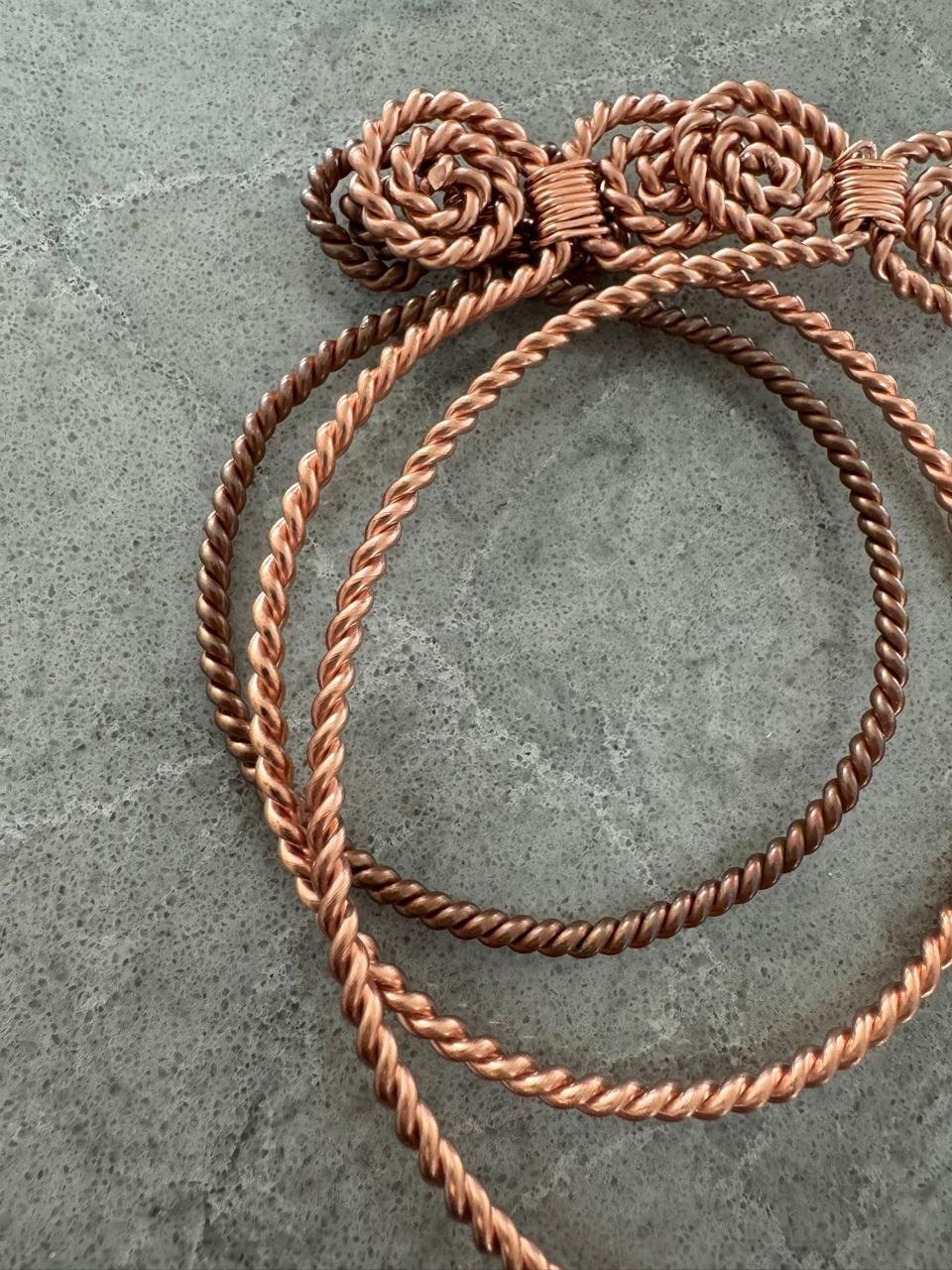
The condition that matters in Faraday’s law
Faraday’s law relates induced voltage to changing magnetic flux through a loop. A constant flux does not produce that induced voltage. A changing field or movement can alter flux; the conditions matter. OpenStax, University Physics: Faraday’s Law.
From an idea to a useful measurement
A credible product report needs to describe what was tested. For a proposed electrical output, look for a circuit description, the voltage and current under a stated load, measurement duration and instrument limits. A number measured without a clear method may not answer the question you are asking.
It also matters whether the result remains when the ring is replaced by a comparison object, moved to a different position or tested again. These are questions to ask a seller or tester; this article does not report a laboratory test of Bobo’s rings.
The extra step between a field and a health outcome
A detectable physical effect would still need separate evidence for a health claim. NCCIH distinguishes static magnets from powered electromagnetic therapies; findings for one device cannot simply be transferred to a passive copper object. Read NCCIH’s overview.
Claims about sleep, fatigue or the nervous system need studies that match the actual product, use and outcome. A diagram of a coil, a list of frequencies or a personal account does not supply those missing comparisons.
Read a technical-looking product description carefully
- Write down the exact claim. Is it about material, a physical measurement, personal experience or health?
- Check whether the supporting source studied the same thing.
- Look for the method and limits, rather than a scientific term on its own.
- Keep unverified benefits out of the budget decision.
If a seller cannot provide a relevant test, treat the performance claim as unverified. You can still assess an object for its design and craftsmanship on the information that is available.
Choose by details you can verify
For Bobo’s copper collection, start with the model code, the catalogue dimensions and product photographs. Check how the stated size was measured before assuming it will fit a hand, a display area or another object. Use the product page for the current currency and delivery calculation.
We have not used the physics sources above as proof of a medical or energy-output benefit for this collection. Contact Bobo if you need a dimension or ordering condition clarified before deciding.